


Make Sustainability Pay: Unlocking Incentives for Profitable Apartment Retrofits

Today we explore leveraging EU and national incentives to improve ROI on green apartment renovations, translating complex programs into practical decisions for owners, investors, and boards. Expect actionable guidance on eligibility, timelines, stacking rules, and financing strategies that amplify savings, reduce risk, and accelerate decarbonization. Share questions, subscribe for updates, and use this roadmap to turn mandated efficiency targets into dependable cash flows and long-term asset value.

EU-Level Programs in Plain Language

European instruments often catalyze local grants, co-finance deep retrofits, or underwrite pilot technologies across apartments and multi-family buildings. Think recovery and cohesion funds, social climate mechanisms, and innovation programs that prefer measurable energy savings, emissions reductions, and social benefits. The key is mapping your building’s baseline to required performance jumps, then matching timelines and reporting obligations so you secure awards without compromising design quality or construction sequencing.

National Grants, Tax Deductions, and Soft Loans

Countries translate EU priorities into grants, tax deductions, and subsidized loans administered by national agencies or development banks. Some reward envelope upgrades, others prioritize heat pumps, controls, or renewable generation. Cap levels, eligible costs, and regional adjustments vary widely. Learn how to read fine print, coordinate with energy auditors, and confirm whether contractor invoices, performance certificates, or EPC improvements are required to unlock funds and avoid clawbacks later.

Local Programs, Municipal Top-Ups, and Utility Rebates

Cities and utilities often add smaller incentives that can meaningfully close funding gaps, especially for smart meters, demand response enrollment, or community rooftop solar. These programs can be quicker to access but still require careful sequencing with national and EU awards. Combine them judiciously, stay alert to de minimis state-aid thresholds, and keep clear paper trails so overlapping support strengthens, rather than jeopardizes, your project’s overall compliance and payout schedule.

Navigating the European and National Incentive Landscape

Across Europe, funding streams flow from EU programs and national budgets, each with distinct rules, energy thresholds, and timelines. Understanding how structural funds, recovery instruments, and country-specific grants interact is the first step to transforming sustainability goals into measurable returns. We’ll demystify eligibility, identify typical documentation hurdles, and show how to plan applications so your project’s engineering scope and financial structure line up with the right pot of money at the right moment.

ROI Modeling That Reflects Incentives, Risk, and Reality

Financial models for green apartment renovations must capture incentive timing, eligibility risk, and measurement rules. It’s not enough to project utility savings; you must reflect construction staging, cash calls, and post-completion verification that unlocks remaining subsidies. We’ll translate incentive mechanics into cash-flow calendars, convert capital costs into lifecycle paybacks, and include sensitivity analyses. The result: confident investment decisions that clearly balance engineering ambition with reliable returns, tenant affordability, and long-term resilience.

Designing Upgrades That Qualify and Perform

Selecting measures isn’t only about savings; it’s about meeting documented thresholds and verifiable standards that incentives require. Align the energy model, design details, and product specifications with program criteria from day one. Prioritize envelope-first strategies, then right-size heating, ventilation, and controls. Build in commissioning plans and data collection. The outcome is not just eligibility at application, but sustained performance that survives audits, satisfies tenants, and protects long-term asset value.

Envelope First: Insulation, Airtightness, and Windows

Most programs reward measures that reduce demand at the source. Exterior insulation, careful thermal bridge treatment, airtightness improvements, and high-performance glazing unlock deeper savings and allow smaller, cheaper heating systems. Specify tested components and verified installation methods. Plan blower-door targets and site supervision. Document before-and-after U-values, thermal images, and as-built drawings to satisfy auditors and give investors confidence that modeled savings translate into real, durable performance across seasons.

Low-Carbon Heating, Controls, and Balanced Ventilation

Heat pumps, smart controls, and demand-driven ventilation are common eligibility anchors. Right-sizing equipment requires accurate loads after envelope upgrades, not before. Integrate hydronic balancing, thermostatic control zones, and weather-compensated curves. Coordinate electrical capacity checks and potential storage. Ensure user-friendly interfaces for residents. Capture trend logs for verification and continuous commissioning. These steps reduce complaints, improve comfort, and safeguard the incentive milestones tied to measurable, persistent efficiency gains.
Verification, Labels, and Documentation That Pass Audits

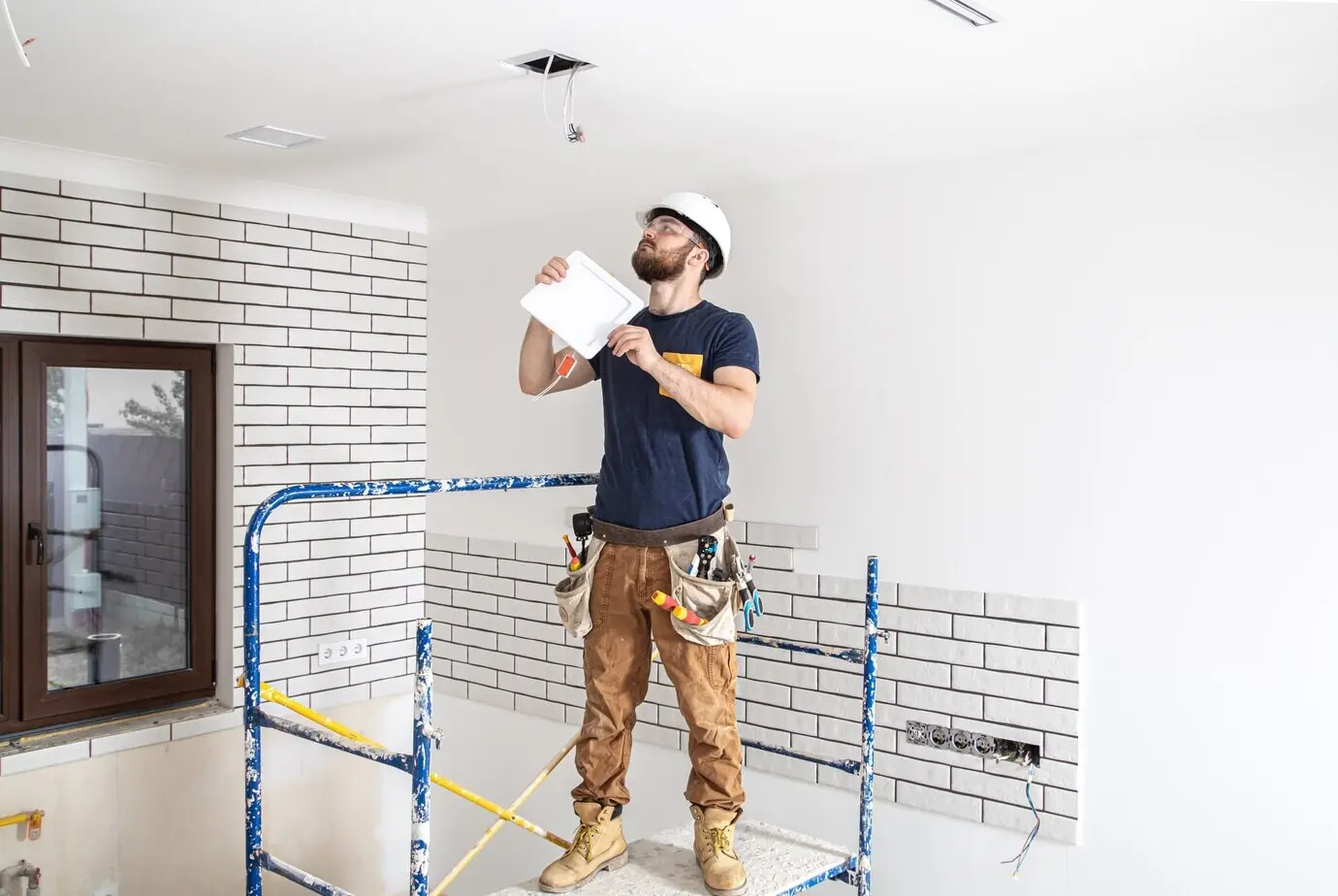
Programs often require energy performance certificates, commissioning reports, calibrated meters, and standardized measurement frameworks. Establish the documentation pathway during design, with named responsibilities and version control. Archive product datasheets, test results, and photos linked to specific apartments. Align 15-minute interval data where required. When auditors request proof, respond rapidly with complete, coherent evidence, protecting disbursements and preserving goodwill with agencies, lenders, and resident committees depending on timely payments.

Funding Structures That Multiply Impact

The right financing approach converts incentives from administrative coupons into strategic leverage. Blend grants with soft loans, green mortgages, and performance-based contracts that shift technical risk. Keep covenant light by demonstrating robust cash flows from energy savings and staged payouts. Align loan drawdowns with contractor milestones and incentive tranches. This coordination lowers capital costs, improves coverage ratios, and frees budgets for deeper measures that future-proof buildings against tightening carbon and comfort standards.

Green Mortgages, Development Banks, and Utility On-Bill Models

Pair national grants with long-tenor, low-rate loans from development banks or green mortgage products that reward verified efficiency gains. For some portfolios, utility on-bill programs streamline repayment via energy bills, matching savings to cash outflows. Demonstrate eligibility through third-party audits, robust specifications, and verifiable commissioning. The better your plan, the more flexible lenders become, improving pricing and enabling upgrades that otherwise would remain financially out of reach.

ESCO Partnerships and Performance Guarantees

Energy service companies can wrap design, construction, and performance guarantees into a single contract, aligning incentives with savings outcomes. Shared-savings structures reduce owner exposure while meeting agency requirements for measurable results. Define baselines, weather normalization, and dispute mechanisms clearly. Ensure monitoring systems are in scope. When risk is transparently allocated and M&V is credible, investors accept slimmer contingencies, and public programs release funds faster, improving overall project economics.

Timing Applications to Cash Flow and Construction

Many programs release funds at key milestones: approval, mid-works inspections, and final verification. Plan application windows alongside procurement and lead times for heat pumps, windows, and façade systems. Use bridging facilities only when necessary, priced into your model. Avoid schedule slips by locking documentation early, pre-qualifying installers, and maintaining weekly dashboards that track both site progress and incentive paperwork, ensuring liquidity remains stable throughout renovations and commissioning.

Audit, Baseline, and Scope Alignment

Begin with data: utility histories, occupancy patterns, envelope scanning, and equipment inventories. Build a calibrated model that sets a defensible baseline. Translate findings into a scope that meets incentive thresholds by margin, not by a hair. Flag risks, schedule mock-ups, and test critical details early. When auditors arrive, your planning shows, with every figure traceable to site conditions, calculations, and product specifications aligned to published program criteria.

Procurement, Contracts, and Quality Assurance

Incentives reward proven outcomes, not promises. Pre-qualify contractors on similar occupied renovations, tighten specifications, and embed submittal requirements for products and testing. Include holdbacks tied to airtightness, balancing, and controls verification. Establish site checklists and photo records. Weekly coordination between designer, builder, and owner’s engineer keeps issues small. By the time inspectors visit, installations are compliant, measured, and confidently positioned for timely approvals and staged payments.

Real-World Wins and Lessons for Portfolio Scaling

Experience shows incentives do more than reduce costs; they unlock deeper scopes and faster decarbonization when paired with resident engagement and rigorous M&V. We share patterns from diverse buildings, highlighting quick wins, pitfalls, and strategies for scaling across multiple properties. Use the insights to standardize specifications, reuse successful documentation sets, and streamline lender approvals. Share your stories or questions in the comments so others can replicate success across their communities.

A Mid-Century Block Achieves Double-Digit IRR

An aging concrete apartment block combined façade insulation, window upgrades, and heat pumps. Grants covered envelope works, while a soft loan financed mechanicals. Tenants gained comfort, owners gained stable cash flows, and energy intensity fell dramatically. The team standardized submittals, passed audits smoothly, and converted staged payouts into early loan prepayments, lifting the overall internal rate of return beyond expectations while preserving affordability for residents.

Tenant Engagement That Protects Performance

Workshops and clear guides helped residents understand ventilation controls, window operation, and heating setpoints. Feedback loops caught issues early, preventing comfort complaints that can undermine perceived success. Incentive administrators welcomed the education program as a co-benefit, smoothing inspections. When occupants know how systems work, modeled savings persist, indoor air quality improves, and the building community becomes an ally in continuous commissioning, anchoring long-term value and compliance.

Scaling the Playbook Across a Portfolio

Standardize the energy audit template, specification clauses, and evidence folders once, then replicate. Build a master schedule that staggers applications across programs and regions to avoid internal bottlenecks. Pre-negotiate framework rates with proven installers. Lenders appreciate the repeatable approach, and administrators recognize consistently high-quality submissions. The result is compounding efficiency, smoother cash flows, and the ability to reach aggressive decarbonization targets across multiple properties without sacrificing returns.

Zezozerurapizuve
Privacy Overview

This website uses cookies so that we can provide you with the best user experience possible. Cookie information is stored in your browser and performs functions such as recognising you when you return to our website and helping our team to understand which sections of the website you find most interesting and useful.